


Fear. Anxiety. Dread.
We understand. Let’s talk.
Our main oral surgery treatments are removing wisdom teeth and teeth buried in the gums.
We follow a policy of “three nos”: no pain, no drilling and no extraction, and we don’t provide more treatment than necessary. We don’t remove wisdom teeth without good reason, either; we examine each patient’s mouth and then decide whether extraction is needed.
To extract or not
-
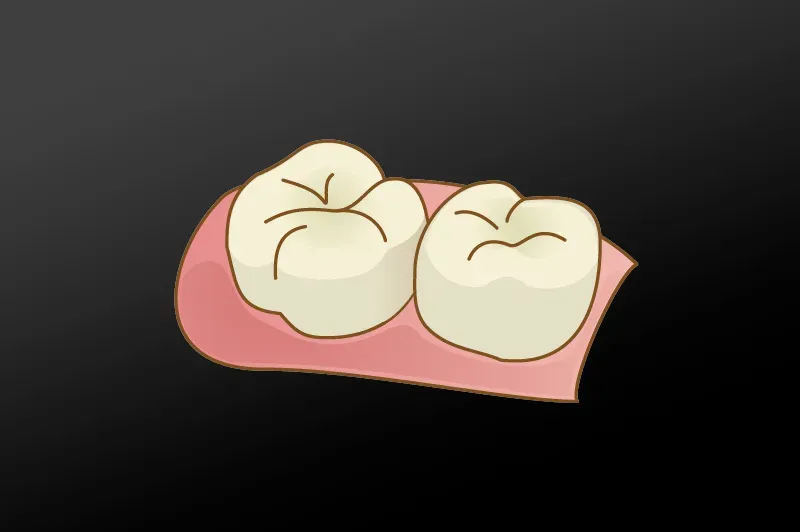
When there is no pain or swelling and the tooth is being kept clean
If a wisdom tooth has come in straight and you can keep it clean with home care, it doesn’t necessarily need to come out.
-
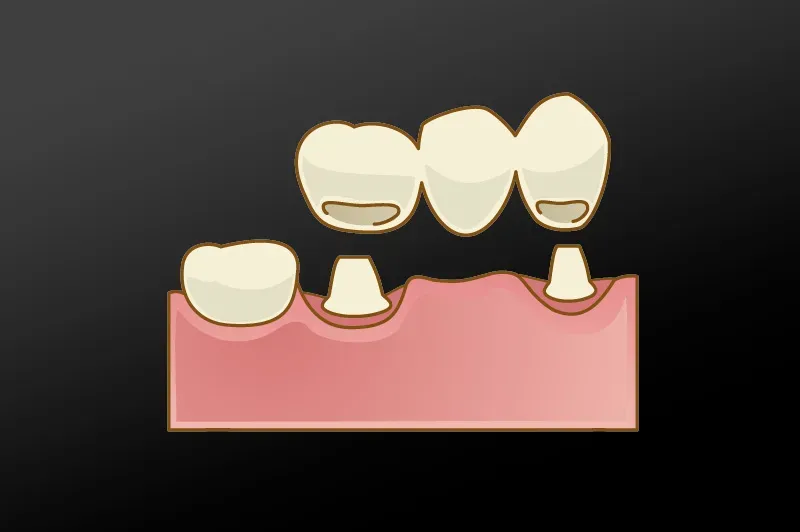
When it could serve as a support tooth in the future
A wisdom tooth can be used to support a bridge. If it has been extracted, a bridge is no longer possible and the only options left are dentures or an implant, so we may keep the tooth as a future option.
-
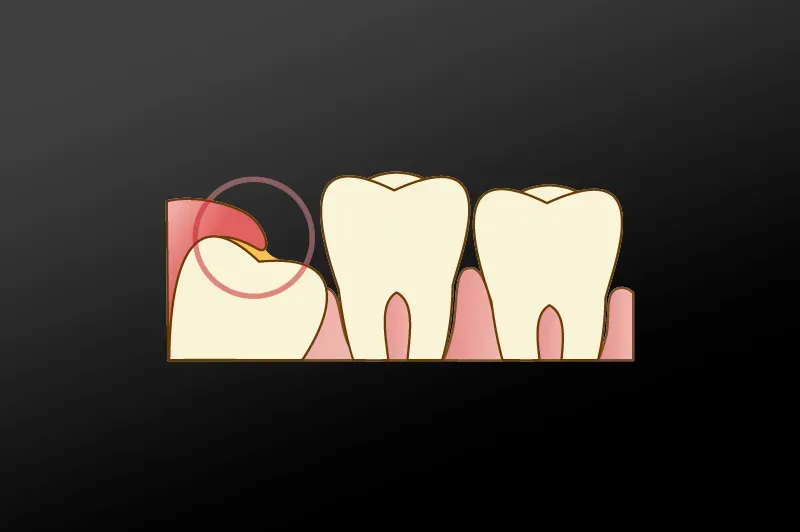
When the gum repeatedly swells and subsides over a short period
If the gum repeatedly swells and subsides over a short period of 1 to 3 months, the inflammation can become severe if it is left alone.
-
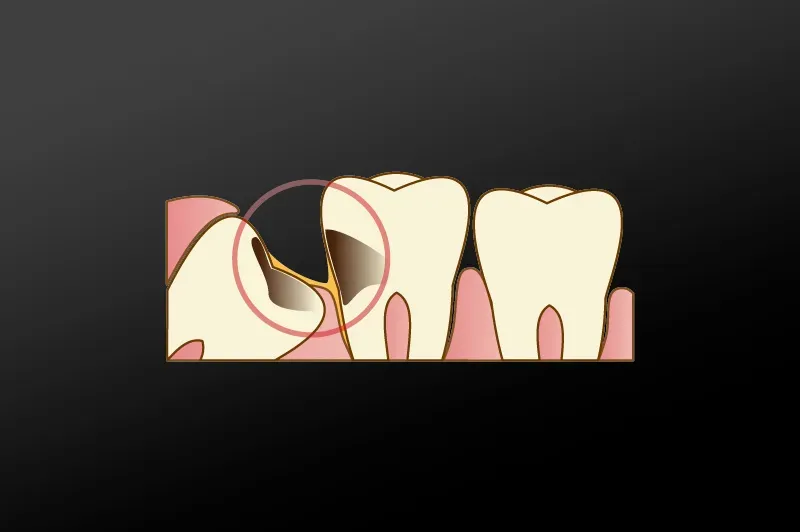
When food tends to get caught between the wisdom tooth and the tooth in front of it
We may extract the wisdom tooth to prevent decay in the tooth in front of it.
-
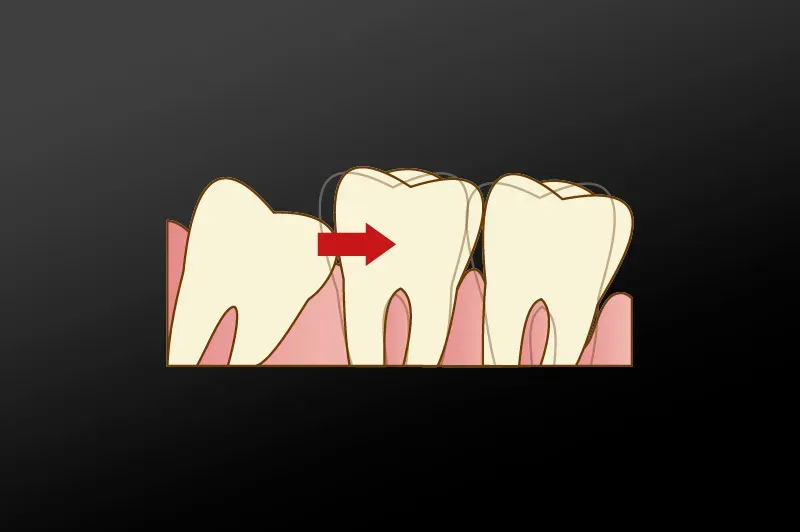
When there isn’t enough room for the wisdom tooth to come in
and we judge that it would disturb the normal alignment of your teethWe may extract the wisdom tooth to maintain the alignment of your teeth.
-
When the upper and lower teeth don’t meet
Without a tooth to bite against, the wisdom tooth bites into the gum behind the back teeth and causes inflammation, so we may extract it.

If a swollen wisdom tooth is left alone
If a swollen wisdom tooth is left alone, the inflammation can become severe. This severe stage is called “cellulitis,” and if the inflammation spreads below the jaw, swelling in the neck can lead to difficulty breathing.
Gums also tend to swell when you are unwell or your immunity is low, so keeping yourself in good health is part of caring for your mouth.
*Our clinic has CT imaging equipment, so we can extract teeth based on an accurate diagnosis. CT images show us in advance where an upper wisdom tooth sits relative to the maxillary sinus and how far a lower wisdom tooth is from the inferior alveolar nerve, which can reduce the risk of perforating the maxillary sinus (being unable to puff out your cheeks, or water leaking from the nose) and of nerve paralysis.