


About pediatric dentistry
In pediatric dentistry, we keep your child’s teeth and mouth healthy with treatment suited to their needs and development. Baby teeth will be replaced, but they still get cavities, so it’s very important to get children used to the dentist before their adult teeth come in and to prevent decay with preventive care such as fluoride application. Many people who still fear or dislike the dentist as adults had bad dental experiences as young children, such as being forced or treated harshly. Because children feel pain and anxiety more strongly, our top priority in this field is to help them come to like the dentist, with a fun atmosphere and by talking with them, so that they build up experiences like “The dentist is no big deal!” and “It didn’t hurt! I did it!”
What to watch for in oral care from early childhood
Until about two and a half, children are in the “terrible twos,” and most of them don’t like having their teeth brushed. Try not to force a child who resists. To keep them from disliking it, let them choose a toothbrush with a favorite character or copy along with a brushing video, keep telling them why brushing matters, and give them plenty of praise when they do it. Little by little, they will learn. If your child still won’t cooperate, try again later when they’ve calmed down and are in a better mood, or keep sugary food and drinks to a minimum.
Before baby teeth come in (up to 6 months)
This is the stage to prepare for brushing. Wipe the mouth lightly with gauze or a cotton swab to get your child used to having the inside of their mouth touched.
When the lower teeth come in (around 6 months)
Once the lower front teeth come in, it’s time to start brushing. With only one or two teeth, there’s no need to worry about brushing thoroughly; help your child get used to brushing a little at a time so they don’t come to dislike it.
Fully on solid food, molars in (around age 1)
Debris tends to collect between the teeth and in the grooves of the molars, so by this age your child should be used to brushing and able to brush properly.
Brush again after your child (up to around age 10)
Even after children can brush on their own, they still miss spots at this age. Until your child gets used to it, keep your brushing quick and light; once they’re used to it, go over each tooth with care. Even in elementary school, when children brush on their own, baby and adult teeth are mixed, which makes brushing harder and raises the risk of missed spots. Keep brushing after them to protect the adult teeth from decay starting at this age.
About preventing tooth decay
Parents’ efforts like these are essential to keeping children free of tooth decay.
-
Making brushing a habit
Some children only start brushing properly after using plaque-disclosing dye themselves at school. That shows how important it is for children themselves to want to brush well. It’s also very important to focus on the spots most prone to decay, such as the molars and between the teeth.
-
Going easy on sugar and snacks
Letting a child snack on sweets throughout the day leads to tooth decay in no time. Because children love sweets, it’s also very important to avoid chocolate, juice and other things that tend to cause decay, and to get them used to low-sugar snacks and tea.
-
Avoiding infection with decay-causing bacteria
A baby’s mouth has no decay-causing bacteria, so where do they come from? They’re passed on by the adults around the child. The age at which a child is infected is known to have a major effect on how prone to decay they will be later (children infected before age 2 have about 16 times the risk of tooth decay of children infected after age 2). That’s why the adults around a child should keep their own mouths healthy and avoid things that can spread the bacteria, such as passing food from their mouth to the child’s and sharing utensils.
-
Understanding that baby teeth are fragile
Do you assume baby teeth decay at the same rate as adult teeth? Baby teeth have thin, soft enamel, so they are more vulnerable to the acid from decay-causing bacteria, and decay progresses faster. Brushing matters, but to protect these weak teeth, it’s also very important to get your child used to the dentist and come in for regular visits, for fluoride application and for sealants that keep food from collecting in the grooves.
About orthodontic treatment
Children’s tooth alignment falls into two types: alignment that corrects itself as the child grows and needs no orthodontic treatment, and alignment that won’t settle into the right position on its own, where orthodontic treatment is advisable. For the second type, we guide the jaw to grow in the right direction so that the adult teeth that have yet to come in will be well aligned. Results are easier to achieve than in adults, whose jaws have finished growing, so if you’re concerned, consult a specialist early to find out which type your child has!
Learn more
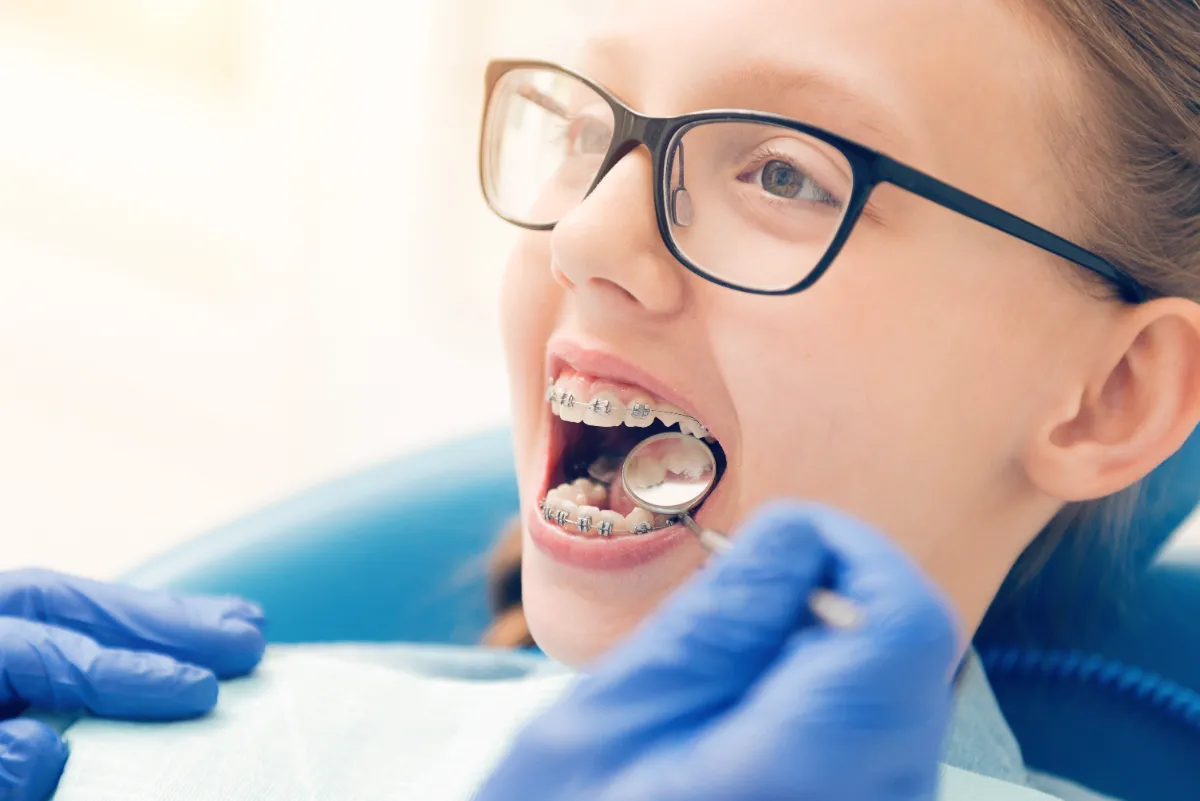
About treating tooth decay in children
Treatment is for the most part the same as for adults. The main difference is that, as you might expect, many children can’t sit still or keep their mouths open, and resist treatment.
We focus on talking with these children in a fun way and helping them get used to the dentist so that they can receive treatment. We’ve received many kind words, such as “My child was traumatized by being forced and too scared to go to the dentist, but now they can come here!” and “Look how much my child can do now!”
Features of our pediatric dental treatment
-
Childcare room (main clinic)
Because children can keep coming from a young age without much strain, more of them are able to visit the dentist without resisting. Some children even say they want to go to the dentist because the childcare room is fun, and the room is very popular with parents who want treatment themselves.
-
Extensive pediatric experience
Our staff treat many children every day and have extensive pediatric experience. They put a lot of thought into helping children feel safe and also feel a sense of achievement, so that they think “I want to come again!”
-
A little reward
At the front desk, too, we tell children “Good job!” and give them a small reward. Parents, please be sure to praise your child as well!
-
Glad we came to Hamille
Children are more sensitive than adults, and we want them to feel glad they came. We don’t force them, we pay attention to how they feel, we give thorough, careful explanations, and we speak in a cheerful tone. These are basics, but we keep working to remain a dental office that even people with dental phobia can visit.
Cost and insurance for pediatric dental treatment
Costs depend on the treatment and are for the most part the same as for adults. Cavity treatment, regular checkups and similar care are covered by insurance, while orthodontics and some other treatments are self-pay.
Medical expense subsidies vary by municipality. * Treatment not covered by insurance is paid in full by the patient.
Pediatric dentistry FAQ
- QWhen should we start brushing?
- AStart brushing practice at around 6 months, when the baby teeth begin to come in. Little by little, get your child used to two things: ① having the inside of their mouth touched and ② the toothbrush. Build the brushing habit so that they can brush properly by the time they have fully switched to solid food or their molars have come in.
- QHow many times a day is ideal for brushing?
- AAfter every meal is ideal, but that’s hard to manage at first. Start by getting your child used to brushing just before bed, then move to twice a day, morning and night, and work up to brushing after every meal. Children resist brushing until about two and a half, so there’s no need to worry about brushing after every meal. Brushing in the morning and at night is fine for now. Brush for them when they’re in a calm mood, or while distracting them with a video, without forcing them.
- QWhat’s the right way to brush?
- A① Lay your child down with their head on your lap. ② Hold the toothbrush like a pen and use your other hand to lift the lip a little. ③ Brush the teeth gently, back and forth and side to side, with the tip of the brush.
- QWhich spots are most prone to tooth decay?
- AThe gaps between the teeth and the grooves of the molars are especially prone to decay, so brush them with extra care.
- QUntil what age should we keep brushing after our child?
- AIf you let your guard down once your child can brush on their own, you may find they weren’t brushing well and regret it. Keep brushing after your child as much as you can until about age 10.
- QMy child dislikes brushing. What should I do?
- AMost children dislike brushing until about two and a half. Building the habit of brushing after every meal is important, but it’s more important not to scold or force them, so that they don’t come to hate brushing. Some missed spots are unavoidable anyway. Little by little, children learn to brush when you let them choose a toothbrush with a favorite character or put stickers on it, show them brushing videos, let them sing while they brush, tell them why brushing matters, and praise them when they do it.
- QDoes giving too much breast milk cause tooth decay?
- AGiving too much breast milk doesn’t cause tooth decay, but food debris or breast milk left in the mouth for a long time raises the risk. If your child can’t fall asleep without breast milk, the risk is higher, so it helps to let them be as active as possible during the day so they get tired and can fall asleep without it. If you’re concerned, fluoride application is an important way to prevent decay, so please come in and see us.
- QMy child has a lot of gaps between their teeth. Should they have orthodontic treatment?
- AGaps form between baby teeth as the jaw grows, so this is normal. They may become noticeable from about two and a half to five years old, but these gaps are very important for making room for the adult teeth coming in underneath, so orthodontic treatment isn’t needed. If there is a risk that, depending on how the jaw grows, the adult teeth won’t come into the right position on their own, orthodontic treatment is needed. If you are concerned, please talk to us first.
- QWe were told my child needs the nerve removed. Will the adult tooth be all right?
- ABaby teeth and adult teeth are two separate teeth, so removing the nerve of a baby tooth has no effect on the adult tooth and causes no problem. When decay-causing bacteria reach the nerve, it causes considerable throbbing pain or swelling, so the nerve needs to be removed and the tooth cleaned.
- QBaby teeth fall out anyway, so isn’t it all right for them to decay?
- AEven with baby teeth, once decay-causing bacteria reach the nerve, the pain is severe, and in some cases the tooth has to be extracted. Baby teeth have the same role as adult teeth: chewing. Chewing helps stimulate the brain and develop the jaw, and is also very important for well-aligned teeth and the shape of the face. It’s also essential for getting the nutrition children need to grow. If decay keeps baby teeth from doing these jobs, the teeth can become misaligned, adult teeth can become discolored, and adult teeth can form incompletely and come in dented or chipped. On top of that, the risk of decay in newly erupted adult teeth rises sharply. So it’s better not to let baby teeth decay.