


Self-check for periodontal disease
If 3 of the items below apply to you, don’t let your guard down! Work on prevention, both at home and at the dental clinic.
If 6 apply, your periodontal disease may be progressing. We recommend treatment at a dental clinic.
If all of them apply, your periodontal disease is well advanced, so see a dental clinic right away.
Your mouth feels sticky when you wake up in the morning
Your gums bleed when you brush
You’re bothered by bad breath
Your gums itch or hurt, or are red and swollen
Hard foods are difficult to chew
You feel as if your teeth have become longer
Your front teeth have started to stick out, or gaps have appeared between your teeth
Food gets stuck between your teeth
Can periodontal disease cost you your teeth?
Periodontal disease is a bacterial infection: periodontal bacteria in plaque inflame the gums and break down the surrounding tissue. It often causes no pain or other symptoms you’d notice, so it can advance a long way before you know it. That’s why it’s called “the silent disease of the mouth.”
About 76.8% of people aged 15 and over have periodontal disease, which works out to more than 85 million people. In other words, periodontal disease is more common than you might think, affecting 2 out of every 3 people.
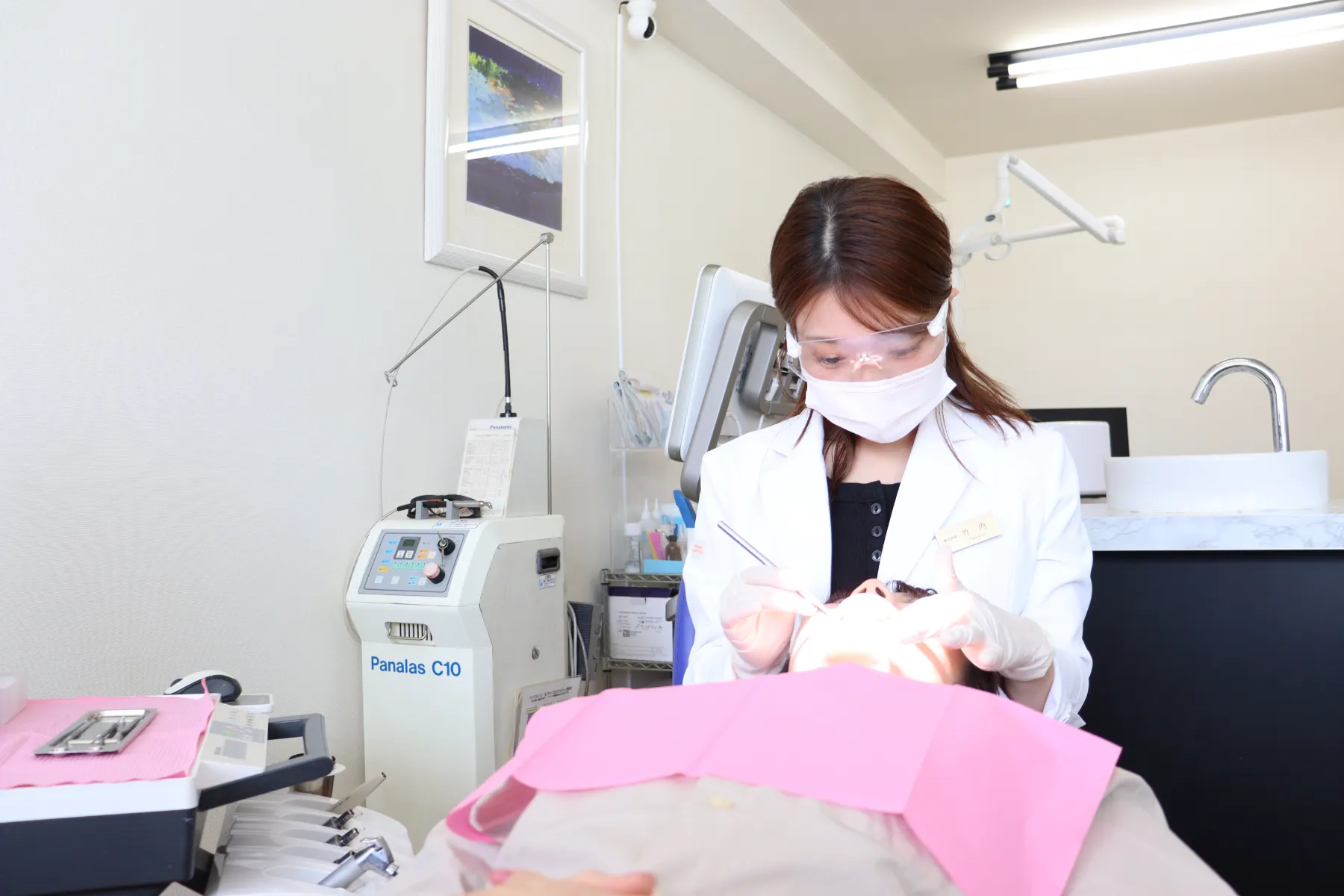
Factors that make periodontal disease progress
-
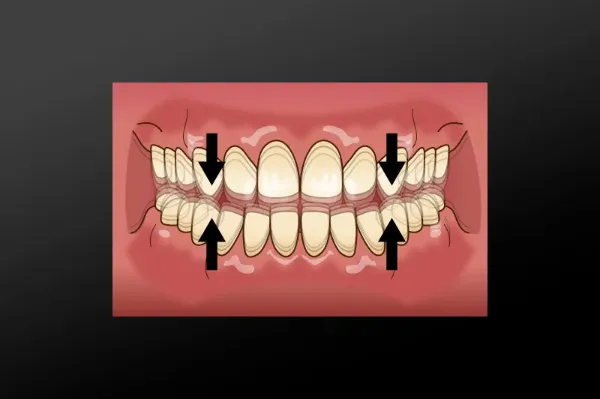
Teeth grinding, clenching and your bite
-
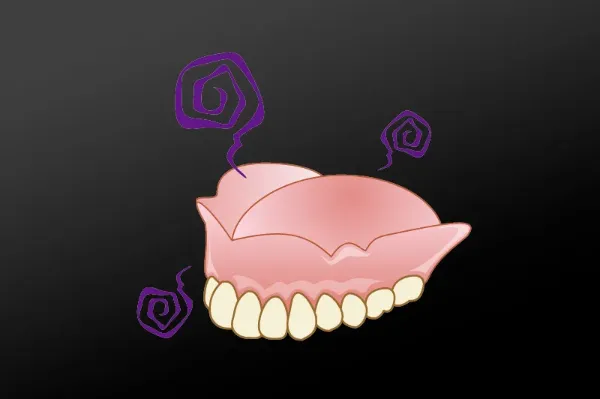
Ill-fitting crowns or dentures
-
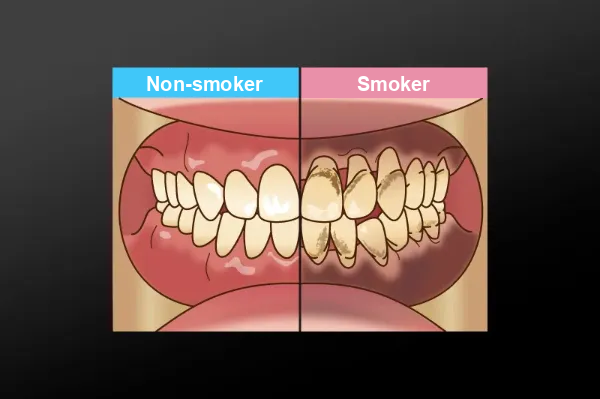
Lifestyle habits (such as smoking and irregular eating)
-
Stress

-
Systemic diseases (such as diabetes, osteoporosis and aspiration pneumonia)

-
Long-term use of medication

Stages of periodontal disease
Mild
Periodontal pocket depth 3–5mm
Gums swell and bleed
Destruction of the alveolar bone and periodontal ligament begins
Moderate
Periodontal pocket depth 5–7mm
Teeth become loose
Extensive destruction of the alveolar bone
Bleeding and pus discharge
Severe
Periodontal pocket depth 7mm or more
The tooth roots are exposed
Nearly all of the alveolar bone is destroyed
Gum pain and distortion
A dental clinic in Kanda-Ogawamachi and Ochanomizu | Hamille Tokyo Ogawamachi
Practical prevention measures
-
Things to keep in mind
Make a point of reducing the bacteria that cause periodontal disease! Regular cleaning at a dental clinic is effective in preventing periodontal disease.
-
Improving your lifestyle habits
Try to snack less, chew your food well, avoid smoking and brush well after every meal.
-
Proper brushing
There are many ways to brush, so ask a dental hygienist about the correct brushing method. As well as a toothbrush, use aids such as interdental brushes and dental floss so that no plaque is left behind.
A dental clinic in Kanda-Ogawamachi and Ochanomizu | Hamille Tokyo Ogawamachi
Periodontal treatment process
Step1.
Examination
We take X-rays, measure periodontal pocket depth, and check tooth mobility (how much the teeth move), plaque buildup and any bleeding.
Step2.
Basic periodontal treatment
Treatment includes plaque control, scaling and root planing, bite adjustment and repair of defective restorations.
Step3.
Periodontal surgery
If basic treatment alone brings no improvement, we carry out surgical procedures to promote recovery of the periodontal tissue.
Step4.
Reassessment
We examine you again to see how much your condition has improved since the first examination.
Step5.
Maintenance
Once your symptoms have improved, you move on to maintenance, where we work to prevent periodontal disease in the future.